 Streetmodo
What Is Missing From the Charioteer of Delphi?
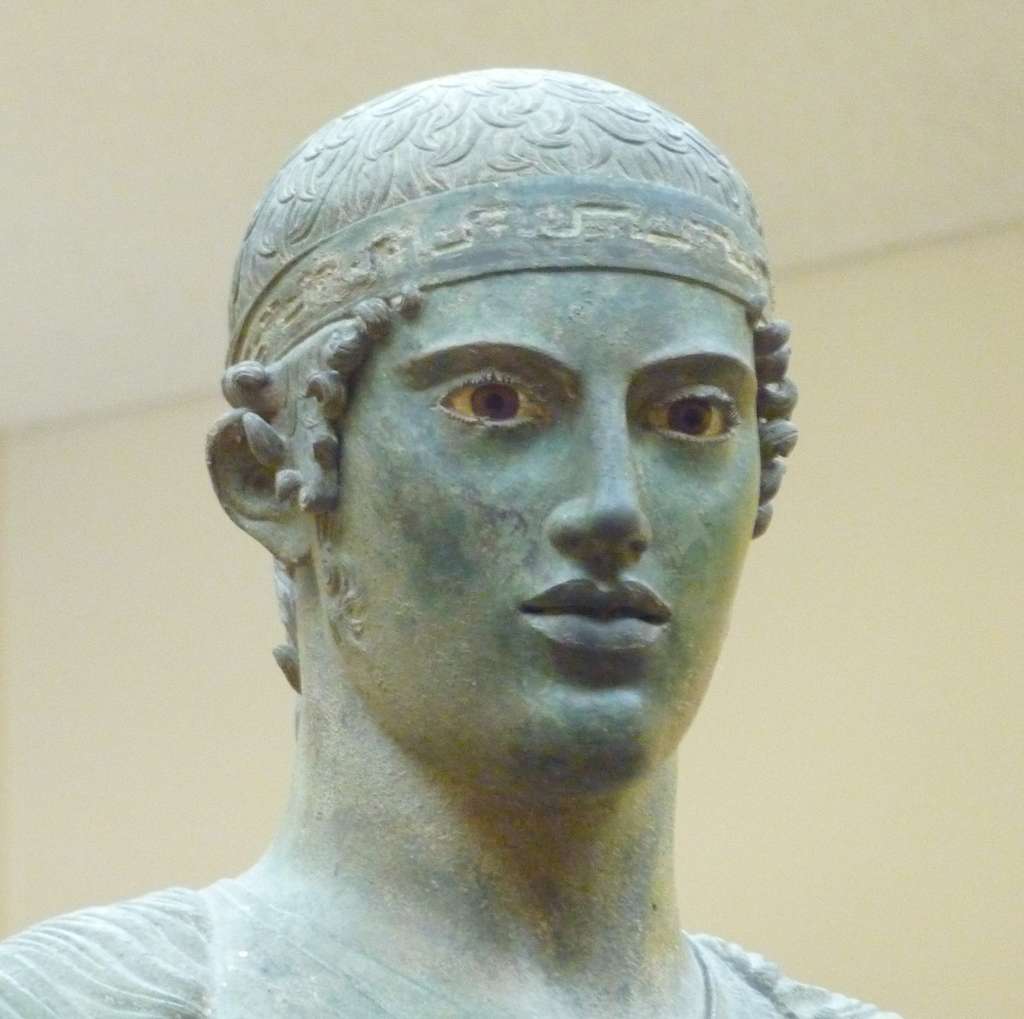
A bronze driver stands almost alone in the Archaeological Museum of Delphi. In antiquity the work took up enough space for a chariot and four horses. Begin with the driver’s right hand. The slender reins lead the eye out into the space the rest of the monument once occupied.
Who was the Charioteer made for?
The monument commemorated a victory at Delphi’s Pythian Games and was dedicated by Polyzalos of Gela, a city in Sicily. The dedication identifies the patron. The young man holding the reins represents the driver. Imagine a visitor approaching the complete team on the Sacred Way and seeing what a Sicilian ruler had chosen to offer at a sanctuary far from his own city.
Which details are easiest to overlook in the museum?
Follow the folds of the long racing garment down from the high belt. The sculptor gave the cloth deep vertical lines, then modeled the bare feet beneath it with close attention to the toes and veins. In the right hand, the surviving lengths of rein suggest a grip with a practical purpose. Look back at the face after the hand and feet to take in the driver's concentrated stance.
Why did so much of the bronze survive?
An earthquake in the fourth century BCE brought the dedication down. The buried figure came to light in the French excavations of 1896. Fragments associated with the chariot help establish the scale of the original group. Before leaving the gallery, give the missing horses their place in front of the surviving figure. His upright posture makes better sense once he has a chariot beneath his feet.